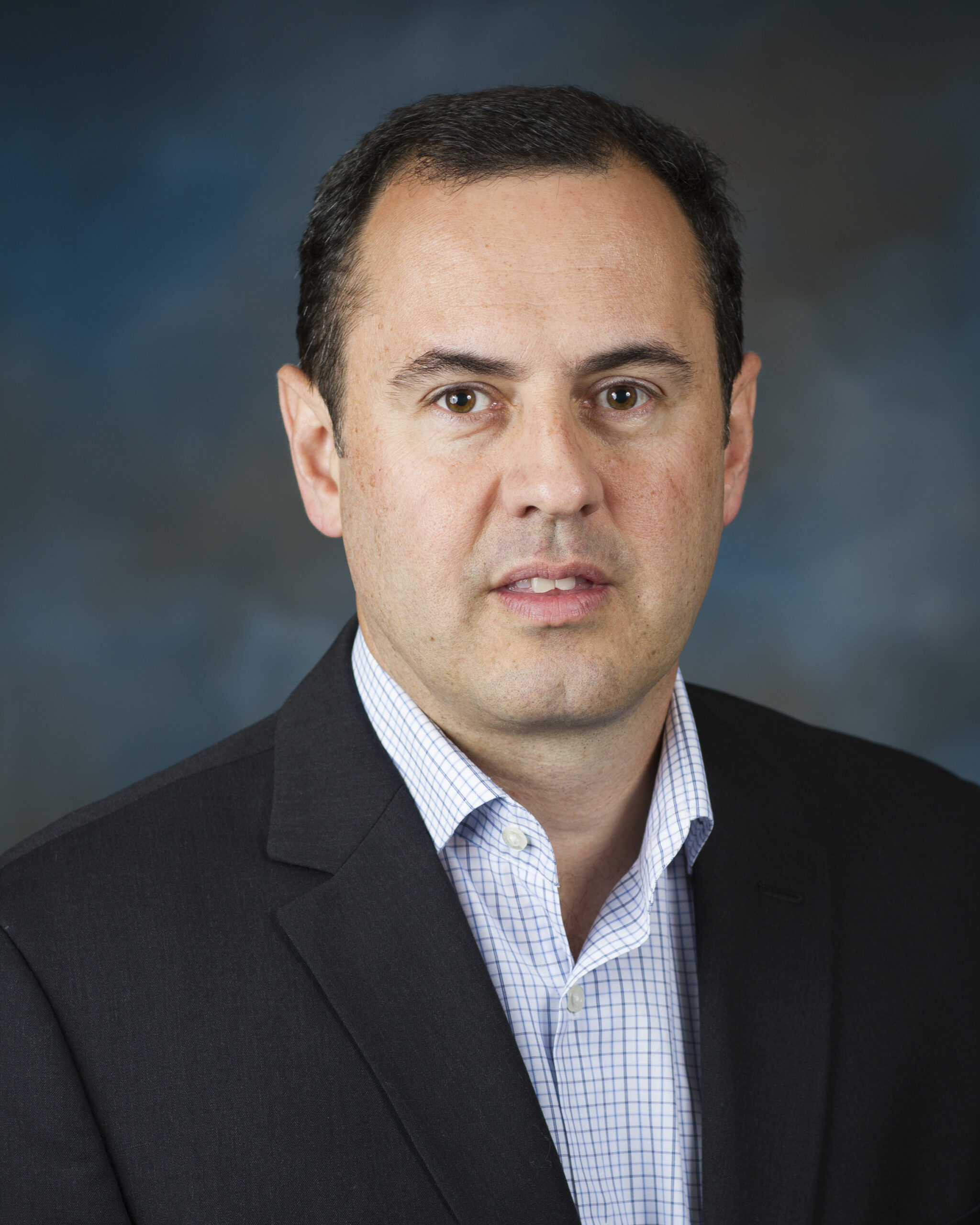
José E. P. Santos is a Research Foundation Professor in the Department of Animal Sciences at the University of Florida. He received his DVM degree from São Paulo State University (Brazil), completed the MS and PhD degrees at the University of Arizona, a clinical residency in Dairy Production Medicine at the University of California Davis, and a sabbatical at the University of Sydney (Australia). Before joining the University of Florida, José was a professor in the School of Veterinary Medicine at the University of California Davis with clinical and research responsibilities.
José has been the major professor of 41 graduate students and he has hosted 12 post-doctorates and sabbatical visitors, and another 132 visiting students. He has published 316 manuscripts in the peer-reviewed scientific literature, 16 book chapters, and has given more than 450 presentations in technical and scientific meetings and received over $17 million in research funds.
José is a Fellow of the American Association for Advancement of Science, Fellow of the American Dairy Science Association, and he has been awarded the Young Scientist Award, the Physiology Award, the Extension Award, and the Applied Dairy Nutrition Award all from the American Dairy Science Association, among other awards from the University of California Davis and the University of Florida.
José’s research seeks to develop technologies that enhance efficiency of dairy production, in particular improvements in peripartum health and reproduction. The research is highly integrative, combining components of basic cellular biology, whole animal physiology, and applied interventions that are adopted by dairy producers worldwide.
José’s central point was that calving creates a sudden calcium demand, mainly because calcium is drawn into colostrum and milk. Heifers generally produce less colostrum than older cows, so they lose less calcium at first milking. That helps explain why hypocalcaemia becomes much more common from the second lactation onward. José cited surveys suggesting that a little over 40% of cows have below-normal blood calcium during the first 48 hours after calving. He also emphasized that the duration of low calcium matters: cows that do not recover quickly tend to have more problems after calving, particularly when inflammation is also present.
Why worry about a drop that may not produce obvious milk-fever symptoms? José described experiments in which induced subclinical hypocalcaemia raised cortisol, reduced neutrophils’ ability to engulf and kill bacteria, and sharply reduced dry-matter intake. It also reduced insulin secretion and increased circulating fatty acids. Taken together, those effects offer a reason to look beyond the blood-calcium reading alone when thinking about a cow’s transition into lactation.
From a feeding perspective, he identified potassium, sodium, phosphorus, and insufficient magnesium as the main concerns. High potassium intake is especially difficult to avoid in ryegrass-based systems, where it can contribute to alkalosis and make calcium regulation harder. High phosphorus can increase FGF23, which suppresses active vitamin D and interferes with calcium metabolism. Magnesium matters because too little can blunt the parathyroid hormone response that helps a cow restore blood calcium.
José then walked through two practical dietary approaches. One is to restrict calcium or phosphorus availability before calving, prompting the cow to prepare its calcium-conservation system. A genuinely low-calcium ration can work, he said, but is difficult to formulate. Phosphorus binders such as synthetic Zeolite A offer another route: the work he presented showed lower blood phosphate alongside higher blood calcium. The caution is magnesium. Because zeolite can also bind it, diets using binders need sufficient magnesium, and José recommended feeding binders for no longer than three weeks.
The other approach is a moderately acidogenic, negative-DCAD diet before calving. Lower blood and urine pH makes more calcium available in its ionized form and stimulates responses that increase calcium absorption and mobilization. José presented evidence of benefits in multiparous cows, including less uterine disease, more milk, and better first-service pregnancy results in one trial. He cautioned against pushing DCAD too negative, feeding the diet for the whole dry period, or assuming heifers benefit: the heifer studies he discussed showed no milk-yield gain and one showed poorer first-service pregnancy results.
His practical takeaway was to start with the ingredients: choose feeds low in potassium and sodium, measure their mineral content rather than relying on NIR estimates, avoid prepartum phosphorus supplementation, and provide adequate magnesium. If using an acidogenic diet, keep it moderate and monitor urine pH, aiming for about 6.2.
NZARN members a copy of the presentation is available below if you are logged in.
Non-members looking for more information are encouraged to use our ‘contact a nutritionist’ form and ‘member directory’ to find a member who can help them answer their questions.
If you are a Rural Professional interested in joining the NZARN please see our ‘membership’ section.